Natural Does Not Mean Risk-Free
Herbal supplements may interact with medicines or affect medical conditions. Safety is specific to the ingredient, form, dose, duration and person—not simply to whether a plant occurs in nature.
Check the Ingredients One by One
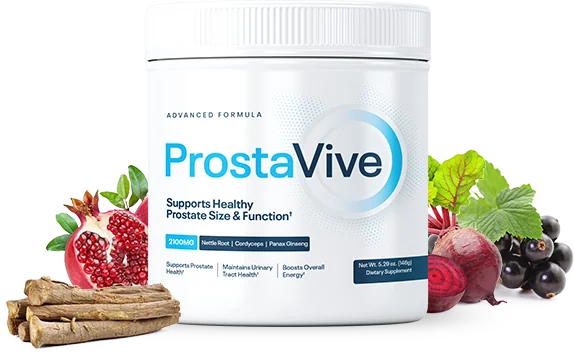
For example, ProstaVive lists ashwagandha. NCCIH notes potential digestive side effects, thyroid-related issues, rare reports of liver injury and interaction concerns. The formula also lists Panax ginseng, fenugreek and other botanicals, so a pharmacist should review the complete blend when medications are involved.
Check Who Should Avoid It
People with chronic conditions, known allergies, thyroid disease, liver issues, a history of hormone-sensitive prostate cancer, or regular prescription use should discuss the complete label with a clinician before trying a new product.
Read the Real Serving Information
Do not estimate a dose from front-label graphics. Confirm the Supplement Facts panel, scoop size, included nutrients and any warnings for the specific jar you receive.
Symptoms That Need Assessment
Blood in urine, inability to urinate, severe pain or fever with urinary symptoms should not be managed by experimenting with supplements. Seek appropriate medical care.
Consumer Checklist
- Check for a full ingredient and dose disclosure.
- Discuss interactions with a pharmacist or clinician.
- Confirm the seller's refund and delivery terms.
- Avoid guaranteed or disease-cure claims.
- Keep the packaging and stop use if adverse reactions occur.
Sources & References
Official marketing claims are identified as seller statements, not independent clinical validation. Reference material is used for general medical context.
- NCCIH: Ashwagandha Usefulness and Safety
- FDA 101: Dietary Supplements
- NIDDK: Enlarged Prostate / BPH
- ProstaVive seller product information
Related Research
Last reviewed: November 5, 2026 · Independent informational website · Not medical advice.