The Evidence Transfer Problem
Suppose a study evaluates a standardized herbal extract at a known dose in patients with diagnosed BPH. You cannot simply assume a different supplement containing that herb has the same result. Product composition, absorption, dose, study duration and clinical population may differ.
Evidence Distance
Evidence is closest when a trial evaluates the exact marketed formula for the specific outcome being claimed. It becomes more indirect when research involves a different ingredient extract, different dosage or an unrelated health goal.
Combining Ingredients Doesn't Create a Finished-Product Trial
A formula can include multiple researchable substances and still lack direct studies on its combined effects. Potential interactions and differing concentrations add uncertainty instead of automatically increasing proof.
A Practical Example
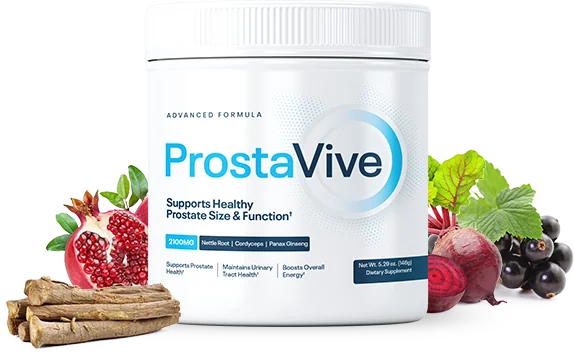
NCCIH describes limited evidence that nettle may affect some urinary symptoms. That does not establish the effectiveness of the nettle-containing ProstaVive powder, because the latter is not identical to the studied nettle preparations.
What the Absence of a Trial Means
It does not prove the product is ineffective. It means strong, precise claims—such as a guaranteed reduction in symptoms or a particular success percentage—cannot be independently established from the cited product-specific evidence.
How We Apply This Standard
Our effectiveness analysis states what is advertised, what sources support, and where evidence remains incomplete. Readers should hold commercial health claims to the same standard regardless of whether a link may earn a commission.
Sources & References
Official marketing claims are identified as seller statements, not independent clinical validation. Reference material is used for general medical context.
- NCCIH: Complementary Approaches for BPH
- FDA 101: Dietary Supplements
- ProstaVive seller product information
Related Research
Last reviewed: November 5, 2026 · Independent informational website · Not medical advice.